Are you ready to start your home project?

As an insulation company serving New Mexico since 1985, Millers understands the importance of maintaining energy efficiency and comfort in your home or business. To help offset the cost of insulation installation or upgrade, federal and local tax credits are available to residents throughout New Mexico. In fact, insulation has the highest payout of eligible materials. Millers is familiar with all the details and restrictions, so we can advise if your insulation project qualifies.

How Much Will You Save With The Insulation Tax Credit?

To achieve greater energy efficiency, use this calculator to determine how much money you can save by adding insulation or air sealing.

Federal Tax Credit – Act Now Before the 2025 Deadline!

Thanks to the Inflation Reduction Act (IRA), Section 25C (also known as the Energy Efficient Home Improvement Credit) homeowners can claim a 30% federal tax credit (up to $1,200 per year) on qualifying energy efficiency upgrades, including insulation and air sealing. But time is running out: this limited-time opportunity is only available for projects completed between January 1, 2023, and December 31, 2025. With the deadline fast approaching, now is the time to act. Millers can help ensure your insulation or air sealing project meets all the requirements to qualify for this valuable credit. Don’t wait until it’s too late!

A tax deduction reduces your taxable income, thereby lowering the amount of income subject to tax. For example, assume your federal tax rate is 10%. If you earn $50,000 and claim a $1,000 deduction, you’re taxed on $49,000, yielding a tax savings of $100. You owe $4,900 instead of $5,000. A tax credit, however, directly reduces the tax amount you owe, dollar-for-dollar. If you owe $5,000 in taxes and claim a $1,000 credit, your tax bill drops to $4,000.

The 25C credit covers 30% of the cost (up to $1,200 annually) for installing materials such as batts, rolls, blown-in fibers, rigid boards, spray foam, weather stripping, caulk, and house wrap. To qualify for the 25C credit, the insulation product installed in your primary residence—whether in the attic, walls, basement, or crawl space—must meet the 2021 International Energy Conservation Code (IECC) standards and include a Manufacturer’s Certification Statement.

As a federal taxpayer and homeowner, you can access the 25C credit regardless of your income. If you qualify for other tax incentives, the 25C credit provides additional savings to make home upgrades even more affordable. Furthermore, if 30% of the costs for purchasing and installing insulation or air sealing products do not exceed the annual maximum of $1,200, you are also eligible for a federal tax credit of 30% of the costs (up to $150) for any energy audit.

Under the Energy Efficient Home Improvement Credit (Section 25C), homeowners can claim a federal tax credit for installing a qualified heat pump. This credit covers 30% of the total cost (materials plus installation), up to $2,000 each year, for a natural gas or an electric heat pump that meets specific efficiency standards. Furthermore, the federal tax credit for heat pumps is available in addition to the $1,200 insulation and air sealing tax credit for homeowners.

​To claim the federal tax credit for insulation and air seal upgrades under Section 25C, follow these steps:​

  • Verify Eligibility: Your home must be an existing U.S. residence used as your primary residence. New constructions and rental properties are not eligible. Before starting the insulation or air sealing project, Millers will confirm with you that the insulation work we perform meets the criteria for receiving a federal tax credit.
  • Retain Documentation: Choose insulation and air sealing materials that comply with the 2021 International Energy Conservation Code (IECC) standards and include a Manufacturer’s Certification Statement. Save all purchase receipts. Millers will also provide you with an invoice detailing the tax credit-eligible portion of your project.
  • Complete IRS Form 5695: Fill out Form 5695, Residential Energy Credits, and attach it to your federal tax return for the year in which the insulation or air seal upgrade occurred. At Millers, we also recommend consulting with your tax professional for additional guidance to ensure eligibility and receive your federal tax credit.

Tax Eligibility

ICAA FLYER For Tax Credit Eligibility.

Tax Eligibility

SAVE UP TO $1,200 WHEN INSULATING YOUR HOME
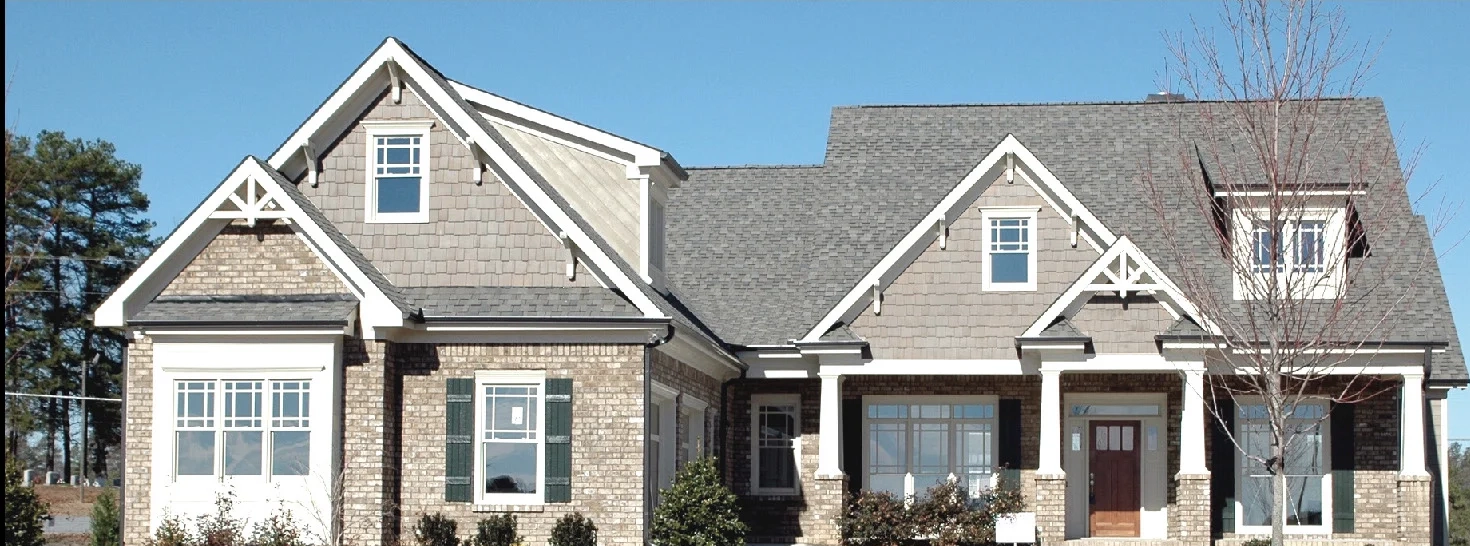
Home Image

ELIGIBLE FOR A TAX CREDIT?

Thinking about adding insulation or air sealing to your home and trying to save money too? The good news is that you can do both. You may be eligible for a tax credit when you make qualifying energy efficient home improvements under the Energy Efficient Home Improvement Credit.


What types of energy efficient home improvements count toward the tax credit?

Adding insulation and air sealing qualify for the tax credit. Certain specifications for each must be met. Generally, your attic R-value should be upgraded to at least R-49. Your insulation contractor can tell you more.


When can I claim the tax credit?

The tax credit is claimed after the qualifying energy efficient home improvement is installed. So if you insulate in 2023, you claim the credit on your 2023 taxes.


Does the tax credit apply to existing homes or new homes?

This tax credit applies to existing homes.


Who is eligible for the tax credit? Renters? Second-home owners?

The tax credit is only available for taxpayers using the property as their primary residence, whether or not they rent.


How much of a tax credit will I receive, and how is it calculated?

30% of cost up to $1,200. Onsite labor cost is excluded from the cost.


How did this come about?

The Inflation Reduction Act of 2022 permits an annual tax credit of up to $1,200 for qualified energy efficiency home improvements under Section 25C of the Internal Revenue Code.
Serving New Mexico Residents


At Millers, we proudly assist New Mexico homeowners and businesses with their insulation and air-sealing needs. With our award-winning customer service, high-quality products, certified installers, and personalized attention to detail, we ensure an exceptional experience. Our service area encompasses communities throughout New Mexico, including:

About Us

Since 1985, Millers has faithfully served New Mexico residents with unmatched service and workmanship. We are a second-generation, family- and woman-owned business. As an independently owned and operated company, we prioritize customer satisfaction as our #1 objective. 

Our awards and certifications make us the preeminent energy experts you can depend on to provide you with the most extensive knowledge in the industry. We stand behind our products with the best and most exclusive warranties, including the Owens Corning CEE Limited Warranty.
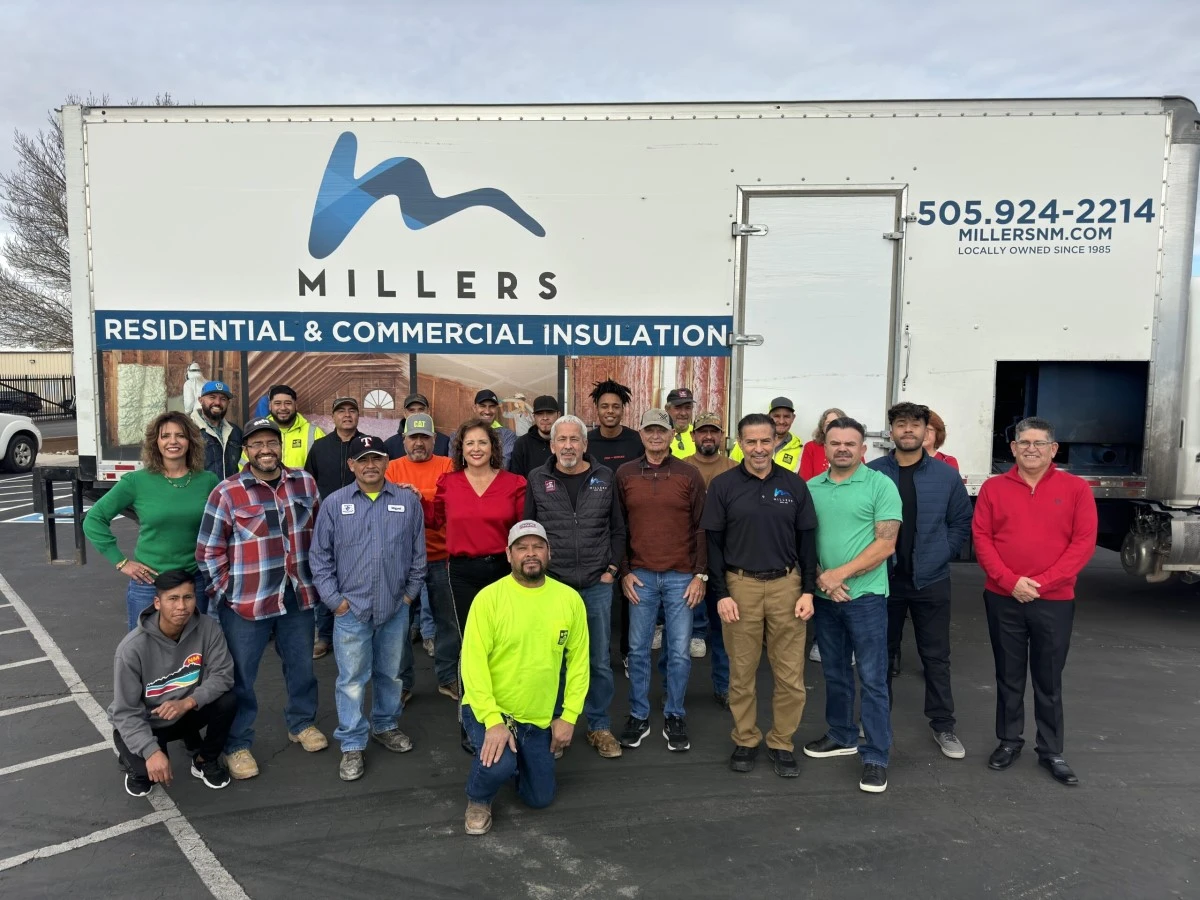
Millers Team Photo

Frequently Asked Questions (FAQs)

Adding insulation and air sealing to your home will lower energy costs and contribute to a clean energy future. To sweeten the deal for upgrading your insulation, the federal government offers a tax credit that can shave as much as $1,200 off your federal income tax bill.

The tax credit equals 30% (up to $1,200) of the amount paid by the taxpaying homeowner for qualified energy efficiency improvements. These improvements include insulation and air-sealing materials. The credit does not apply to labor/installation costs.

A federal tax credit reduces the federal tax owed, dollar for dollar. A federal tax deduction reduces the amount of federal income taxed and is not as “valuable” as a federal tax credit. Assume you prepare your federal tax return and owe $3,000. If you qualify for a $1,200 federal tax credit, you will only owe $1,800.

This federal tax credit, aimed at improving home energy efficiency, was introduced through the Inflation Reduction Act of 2022 and is outlined in Section 25C of the Internal Revenue Code. It applies to insulation improvements completed on or after January 1, 2023.

Any homeowner who pays federal taxes is eligible to claim it.. The taxpayer must own and use the home as their principal residence. The tax credit does not apply to a newly constructed home, and homeowners without a federal tax liability are not eligible for the credit.

Homeowners can receive up to $1,200 back through this tax credit.

Follow these steps:

  1. Have insulation materials installed. Installing according to the prescriptive insulation requirements of the 2021 International Energy Conservation Code will qualify. Generally, this action means increasing your insulation to R49 or R60 in the attic space, depending on your climate zone.
  2. Opting for air sealing is an affordable method to boost energy efficiency, enhance indoor comfort, and lower heating and cooling expenses.
  3. To claim the credit, keep all your receipts and manufacturer statements related to the insulation installation.
  4. File IRS Form 5695 along with your IRS Form 1040.

Insulation materials designed to reduce heat loss or gain from a living space qualify. This list includes insulation, air sealants, vapor and air retarders, recessed light covers, and attic hatch covers. These materials must meet the prescriptive criteria established by the most recent International Energy Conservation Code standard in effect at the start of the calendar year—two years before the year the component is installed.

Among energy-saving options, insulation and air sealing are the quickest to implement, the most budget-friendly, and offer consistently dependable results. Insulation is a cost-effective, energy-saving measure that increases building comfort while reducing greenhouse gas emissions and contributing to a green environment.

Over 78 million homes remain underinsulated today. This issue is likely the result of older, less stringent energy codes and certain homebuilders focusing on low-cost and bare-minimum insulation options during construction. Now is an ideal time to bring your insulation levels up to today’s standards.

Attics are the primary place to secure the biggest bang for your buck. Additional areas to consider include wall cavities on the exterior, basement spaces, crawlspaces, ceilings beneath garages, bonus rooms, and the access panel or pull-down stairs leading to the attic.

Because you want insulation materials professionally installed safely and to the manufacturer’s specifications and ASTM standards. For example, improper preparation and installation of insulation can cause moisture/mold issues, trap existing house toxins, and cause fire risks or other unsafe conditions due to excess heat buildup in some recessed lighting fixtures.

A reputable insulation contractor will follow the U.S. Federal Trade Commission R-Value Rule, which governs the sale of insulation by manufacturers and professional installers.

Contact Us

At Millers, we provide exceptional insulation services for your home or business. Trust us to be the only insulation professional you will ever need. Contact us today to schedule a consultation or to receive a free estimate.

Free Estimate