When homeowners start researching insulation upgrades, one of the first questions that comes up is whether to tackle the project themselves or bring in a pro. At Millers Insulation, we’ve dealt with both sides of this decision, and the results speak for themselves. While a DIY approach might look like a money-saver on the surface, the reality involves hidden risks, common mistakes, and performance gaps that can cost more to fix later. Before you head to the hardware store, it’s worth understanding what professional insulation installation actually involves and why it delivers better outcomes for your home’s comfort, energy use, and long-term value.
Can You Install Insulation Yourself?
Technically, yes — some types of insulation are sold in DIY-friendly formats. Batt insulation, for example, comes in pre-cut rolls that homeowners can handle with basic tools. However, the ability to physically install insulation doesn’t mean it will perform the way it should. Proper insulation installation requires accurate R-value selection, thorough air sealing, and an understanding of how heat moves through different areas of a home. Gaps, compression, and improper coverage are all common when the work is done without professional training. Improperly installed insulation that underperforms leads to higher energy bills, inconsistent temperatures, and potential moisture issues, none of which show up until the damage is already done.
What Mistakes Happen With DIY Insulation?
Incorrect R-Value Selection
One of the most frequent DIY insulation mistakes is choosing the wrong R-value for the climate and application. R-value measures thermal resistance, and each region, including New Mexico, has specific code requirements based on local conditions. Installing insulation with an R-value that’s too low means your home loses heat in winter and gains it in summer. Installing too much in the wrong area wastes money without improving performance. Insulation contractors evaluate both the building and the local requirements before selecting materials. This removes the guesswork from the process entirely.
Poor Coverage and Gaps
Even when the right product is selected, uneven installation creates weak spots in your thermal envelope. Gaps around joists, rafters, or wall cavities allow air to move freely, which defeats the purpose of insulation. Homeowners often underestimate how much prep work goes into a well-insulated attic, especially when working around obstacles like HVAC equipment, ductwork, or existing insulation that needs to be addressed first.
Skipping Air Sealing
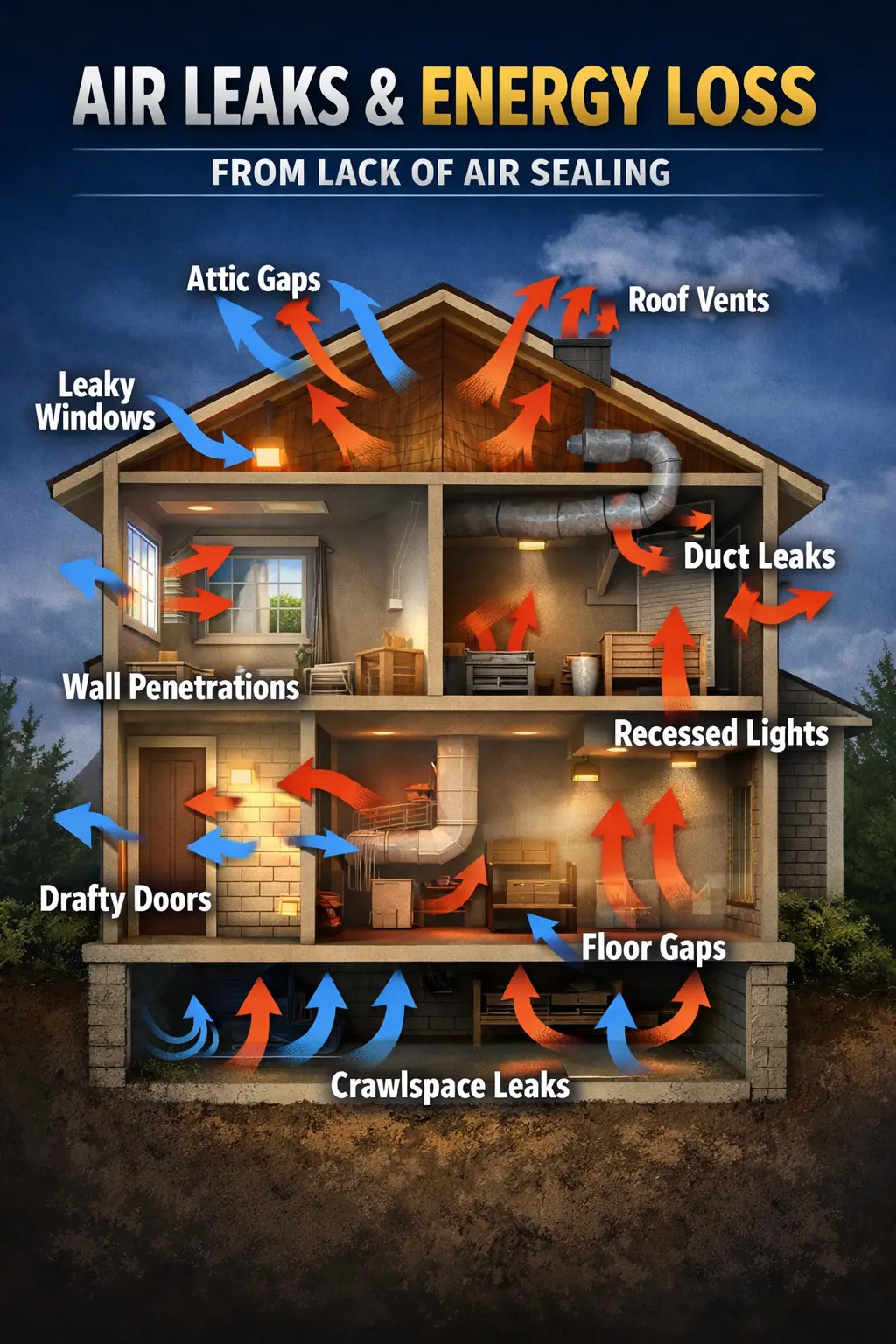
Insulation and air sealing work together. Installing insulation without sealing air leaks first significantly reduces the effectiveness of even the best materials. Many DIYers focus solely on adding insulation thickness while overlooking the cracks, gaps, and penetrations that let conditioned air escape. Professionals address air sealing as part of the installation process, which is a key reason why professionally installed insulation outperforms DIY work in real-world conditions.
Is DIY Insulation Cheaper Than Hiring a Professional?
Upfront material costs for DIY insulation are lower, but the total cost comparison is more complicated. Renting or purchasing the right equipment, buying enough material, and accounting for your time all add up quickly. More importantly, mistakes made during installation often require professional correction later, at a higher cost than if the work had been done right the first time.
Professional insulation companies also have access to commercial-grade materials and equipment that aren’t available at retail stores, which contributes to better performance over time. When you factor in energy savings, improved comfort, and avoiding costly re-work, professional installation delivers a stronger return.
Time & Cost Comparison
| Category | DIY Project | Professional Installation |
|---|---|---|
| Project Time | Multiple Weekends | Often Completed in One Day |
| Equipment | Rental Required | Professional Equipment Included |
| Risk of Mistakes | High | Low |
| Energy Performance | Inconsistent | Optimized |
| Long-Term Value | Lower | Higher |
Why Is Professional Insulation Installation Better?
Trained Expertise and Proper Equipment
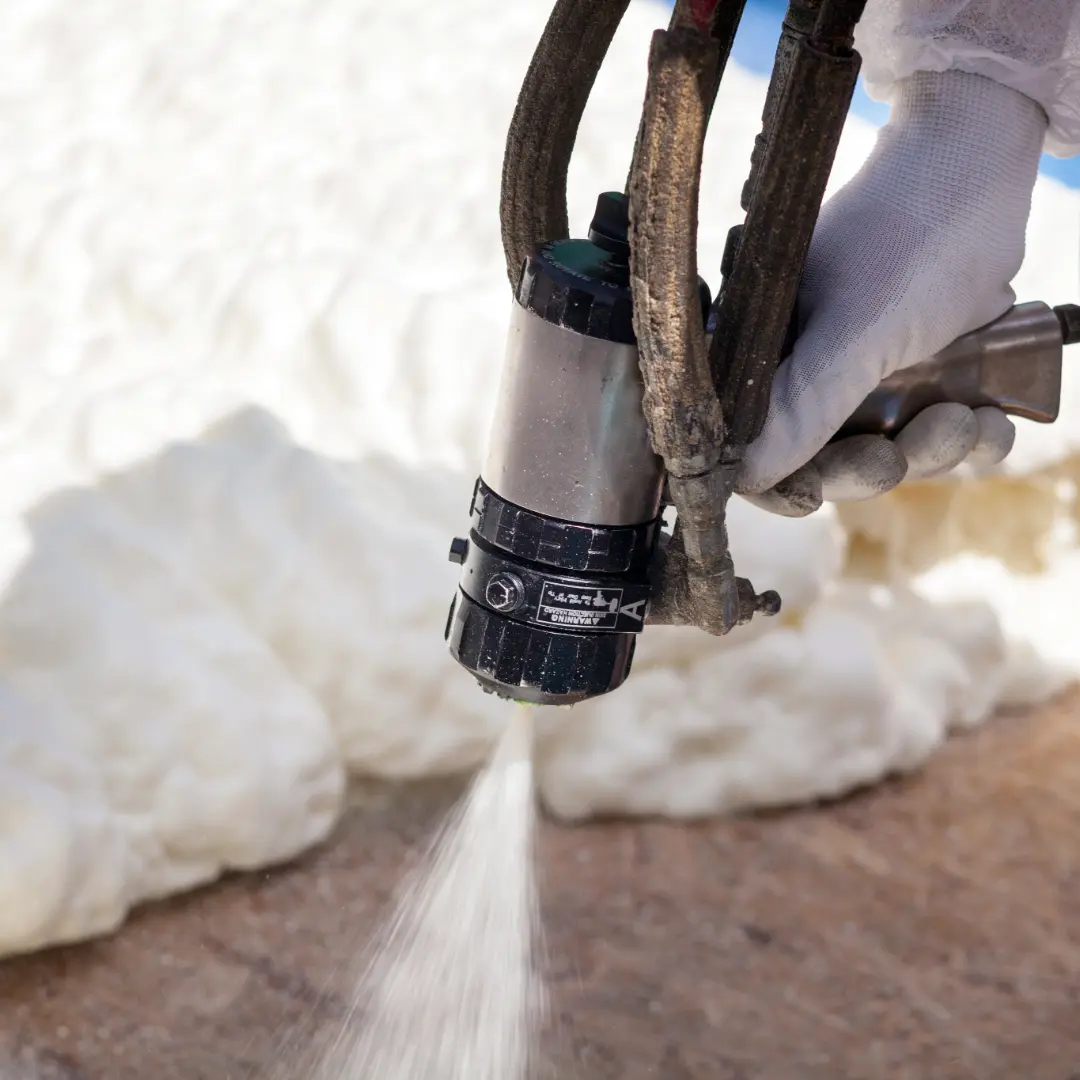
Professional insulation installers bring hands-on training, industry knowledge, and the right tools for each job. Blown-in fiberglass, for example, requires a blowing machine calibrated for the specific material and attic depth. Spray foam requires precise mixing ratios, protective gear, and controlled application — not something that translates well to a DIY setting. Professionals know which products are appropriate for each application and apply them in ways that meet building codes and manufacturer specifications.
Accurate R-Value Assessment
Insulation contractors don’t guess at R-values. They evaluate the existing conditions of your home, review local energy codes, and account for factors like attic ventilation and existing insulation before recommending a solution. In New Mexico, where summer heat and winter cold both place significant demands on a home’s thermal envelope, getting the R-value right is especially important for year-round comfort and energy savings.
Long-Term Performance
Professional installation means the job is done right from the start. Properly installed insulation maintains its performance over time without the settling, compression, or coverage issues that are common in DIY projects. Whether it’s blown-in fiberglass in the attic or spray foam in new construction, professionally installed insulation holds its R-value longer and continues delivering energy-efficiency benefits for years.
What Areas of a Home Require Professional Insulation?
Attics
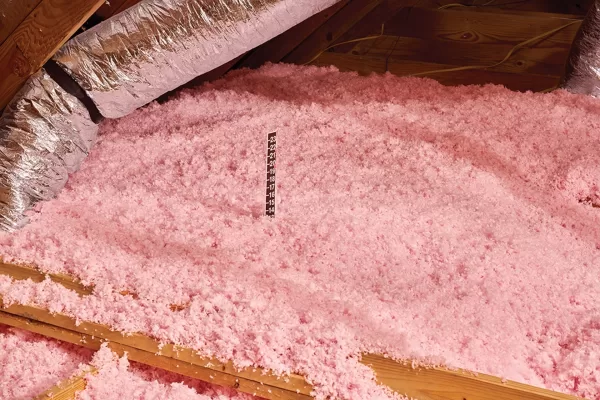
The attic is where insulation has the biggest impact in most homes. It’s also one of the most challenging spaces to work in. It is often hot, cramped, and full of obstacles. In existing homes, blown-in fiberglass is the most effective solution for attic insulation. It fills irregular spaces evenly, covers around obstructions, and achieves the required depth without leaving gaps. This is not a straightforward DIY job, particularly when older insulation, air sealing, or ventilation issues are involved.
New Construction
New construction projects offer the opportunity to insulate walls, ceilings, and other areas before drywall goes up. Spray foam is particularly effective in these applications, providing both insulation and air sealing in a single step. This is a job that requires professional-grade equipment, proper safety protocols, and experience working with contractors and building schedules. Attempting spray foam installation without professional training creates significant safety and performance risks.
Is Blown-In Insulation a DIY Project?
Blown-in insulation equipment is sometimes offered as a rental option at home improvement stores, but the results of DIY blown-in installation are highly variable. Achieving consistent depth across the entire attic floor, working around obstructions, and calibrating the blower to the right output requires experience that most homeowners simply don’t have. Uneven coverage leads to hot and cold spots, and underperforming insulation that doesn’t reach the correct depth fails to meet code requirements. Professional installers complete the job efficiently, achieve the correct coverage, and leave the space ready without the mess or uncertainty of a DIY attempt.
How Long Does Professional Insulation Installation Take?
Most residential insulation projects are completed in a single day. Attic insulation in an existing home typically takes a few hours, depending on the size of the space and any prep work needed. New construction projects vary based on scope, but professional crews work efficiently and coordinate with other trades to keep the project on schedule. Compared to a DIY project that may stretch across multiple weekends — with material trips, equipment rentals, and corrections along the way — professional installation is significantly faster and less disruptive to your daily life.
When Should You Call an Insulation Contractor?
If your home has uneven temperatures between rooms, unusually high energy bills, or an attic that hasn’t been insulated or upgraded in more than ten years, it’s time to call a professional. An insulation contractor can assess your current insulation levels, identify air leakage points, and recommend the most effective solution for your specific home and budget. You should also call a professional any time spray foam is involved, when working in a finished attic or crawlspace, or when you’re preparing for new construction and want performance built in from the ground up.
Waiting until insulation problems become obvious through comfort issues or rising utility costs often means the issue has been affecting your home for longer than you realize. A free estimate from a qualified insulation company is the fastest way to find out where your home stands and what it would take to improve it.
If you’re considering upgrading your insulation, the right installation makes a big difference. Contact Millers Insulation today to schedule a free estimate and learn which insulation options will work best for your home.